

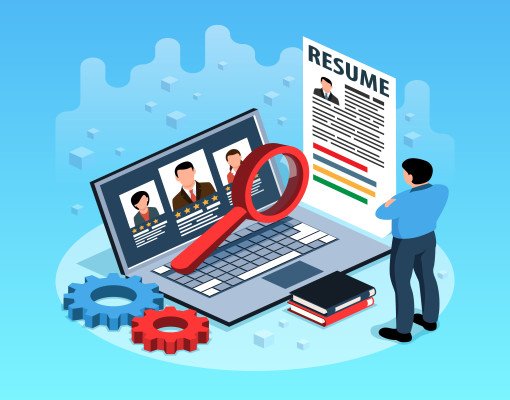
Artificial Intelligence (AI) has transformed nearly every industry, and hiring is no exception. Employers increasingly use AI-driven tools to screen resumes, assess candidates, and even conduct interviews. While this improves efficiency, it also creates new challenges for job seekers who must now learn how to stand out in a tech-driven selection process.
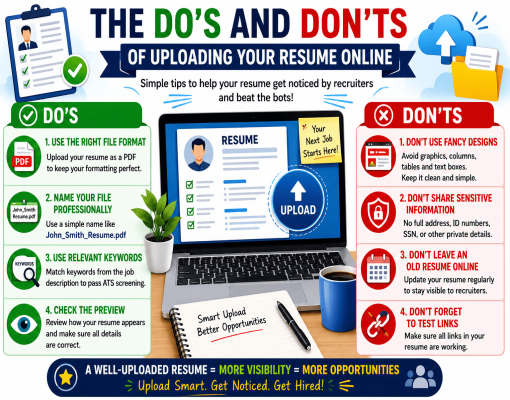
The most common example of AI in hiring is the Applicant Tracking System (ATS). These platforms scan resumes for keywords and rank applicants based on how closely their skills match the job descriptions. If your resume doesn’t include the right terms, you could be filtered out automatically—before a recruiter even looks at it.
Beyond resume screening, some companies now use AI video interviews. These tools analyze not just what you say, but how you say it. Facial expressions, tone of voice, and choice of words can all be evaluated. While the fairness of such tools is debated, they are becoming increasingly common, especially in large organizations that process thousands of applications.
One primary concern is bias in AI tools. Since AI learns from historical data, it can inadvertently adopt the same biases found in past hiring decisions. Candidates from non-traditional backgrounds may be unfairly overlooked, making networking and referrals even more crucial in bypassing automated filters.
Another challenge is the lack of feedback. When AI rejects an application, candidates often have no idea why. This can lead to frustration and confusion, especially when you feel qualified but never receive a response.
AI in hiring is here to stay, but it doesn’t have to be an obstacle. By learning how these tools work and adapting your approach, you can leverage technology to your advantage. Think of AI as a first filter, not the final decision-maker. With preparation, strategy, and persistence, job seekers can still make meaningful human connections in an increasingly digital hiring landscape.
© 2026 RoleLinker is Proudly Maintained by Panacea Softwares